Master Essential Healthy Cooking Techniques
Discover science-backed methods to prepare nutritious meals that preserve vitamins, minerals, and natural flavors. Learn from our comprehensive guides on steaming, slow-cooking, pressure cooking, raw preparation, and more.
The information on this site is for educational purposes only and does not constitute medical advice. Always consult a qualified healthcare professional before making health decisions.
Filter by Cooking Method
Featured Cooking Techniques
Each method is designed to maximize nutrient retention while developing complex flavors. Explore detailed guides, step-by-step instructions, and best practices for every technique.
Steaming
Preserve maximum nutrients and vibrant colors by cooking vegetables and proteins with steam. This gentle moist-heat method retains water-soluble vitamins and maintains natural texture without added fats.
Pressure Cooking
Cook legumes, grains, and tougher cuts of meat in a fraction of traditional time while retaining nutritional value. High-pressure steam breaks down fiber and increases mineral bioavailability for better absorption.
Roasting
Use dry, high-heat cooking to caramelize vegetables and proteins, creating deeper flavors and enhancing certain antioxidants. Learn temperature control, timing, and seasoning techniques for perfect results every time.
Raw Preparation
Maximize enzyme and heat-sensitive nutrient content by preparing fresh vegetables, fruits, and sprouted seeds without cooking. Master knife skills, proper storage, and creative presentations for vibrant raw dishes.
Slow Cooking & Braising
Tender, deeply flavored dishes develop through low, gentle heat over extended periods. This technique breaks down connective tissues, increases mineral availability, and creates complex flavor profiles with minimal intervention.
Poaching & Simmering
Cook delicate proteins and vegetables in gently heated liquid, creating tender results without harsh temperature shock. Perfect for eggs, fish, fruits, and grains, preserving delicate textures and subtle flavors.
Techniques in Action
Visual demonstrations of proper technique execution. These images illustrate key steps and equipment setup for achieving consistent, nutritious results.
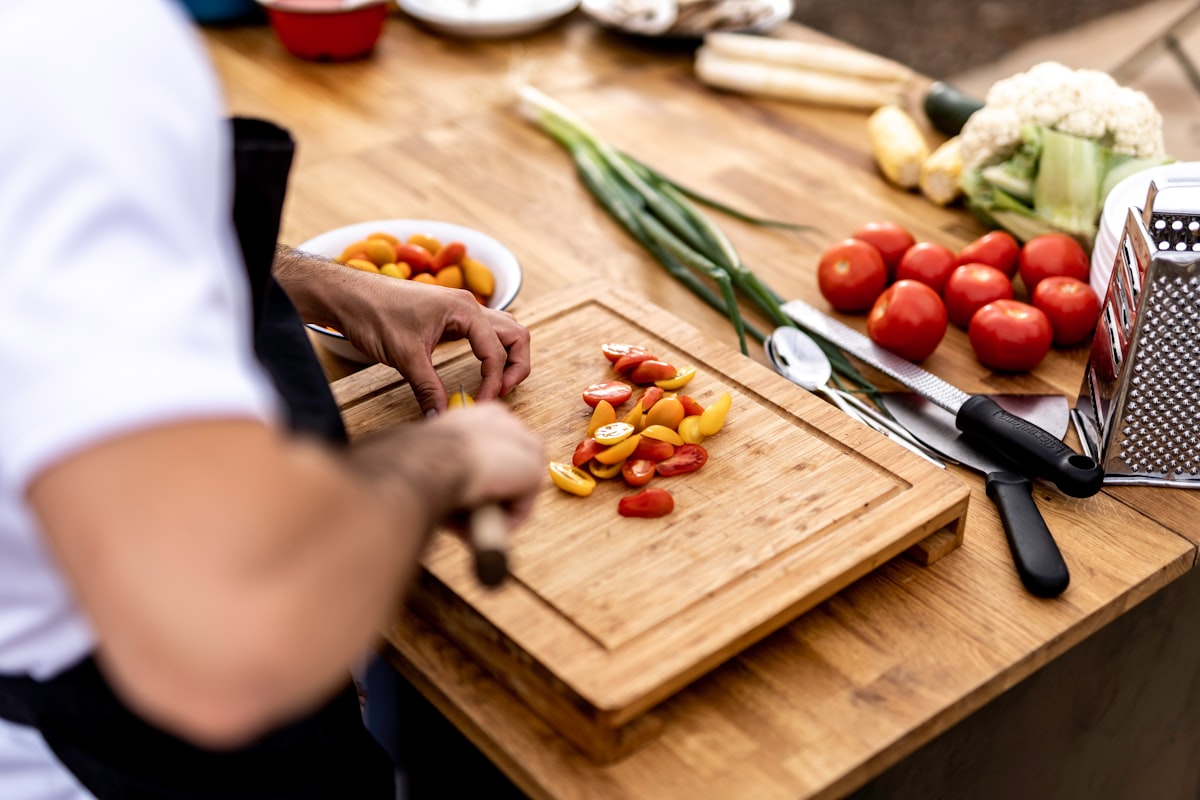
Bamboo Steaming Setup
Traditional steamer baskets preserve nutrients while creating perfectly tender vegetables with minimal preparation.
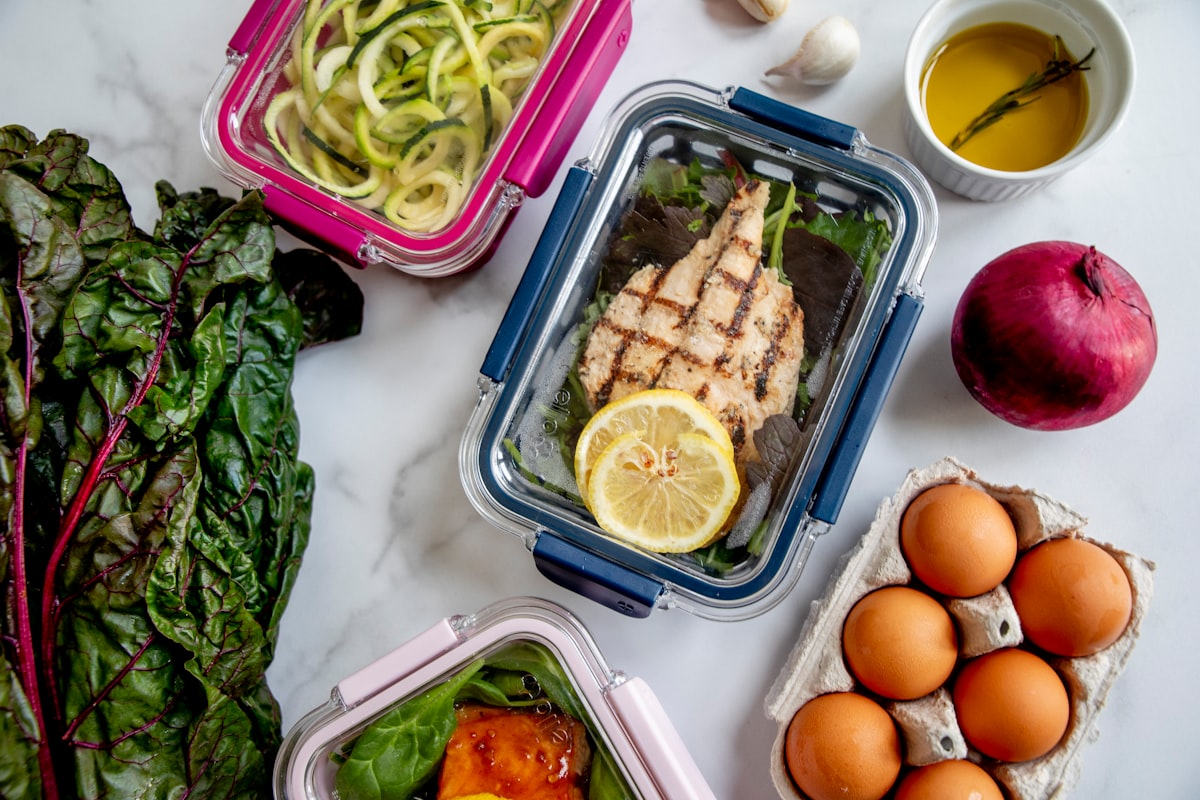
Pressure Cooking Process
Understanding heat management and pressure indicators ensures safe, efficient cooking with legumes and grains.
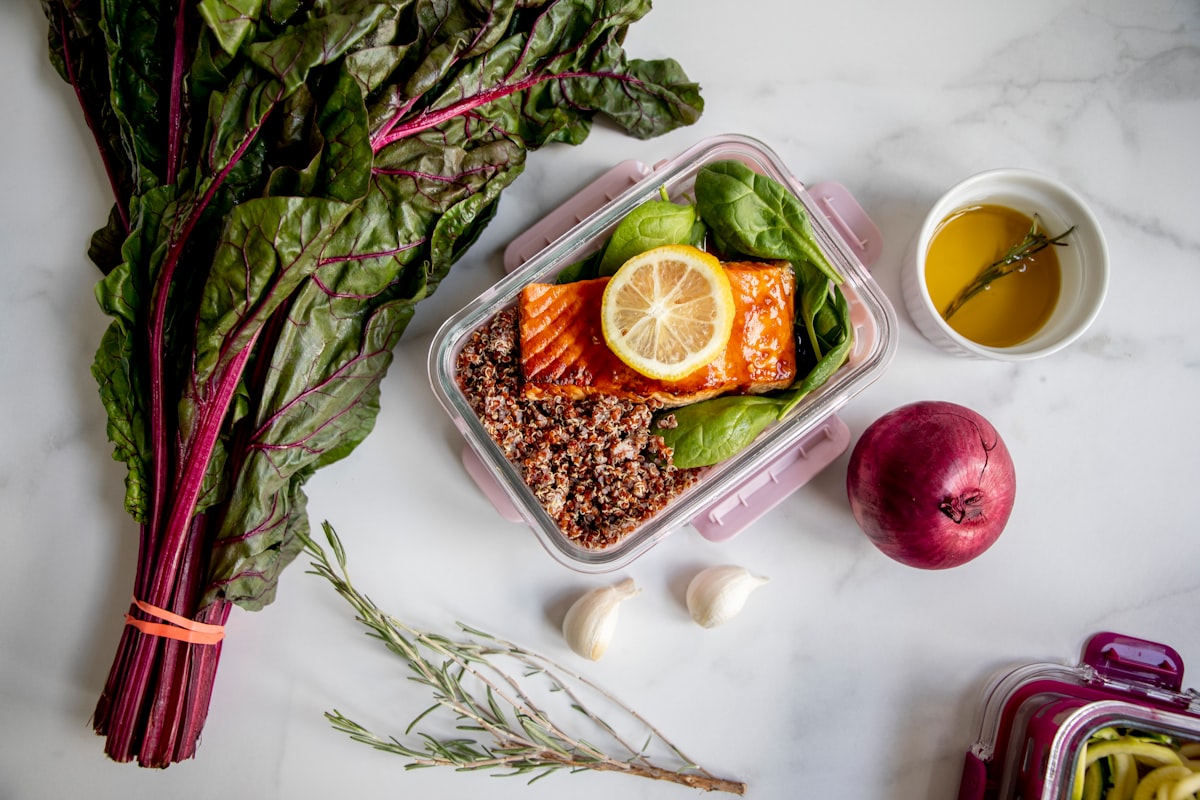
Perfect Roasting Results
Golden caramelization develops rich flavors while retaining nutritional integrity in seasonal vegetables.
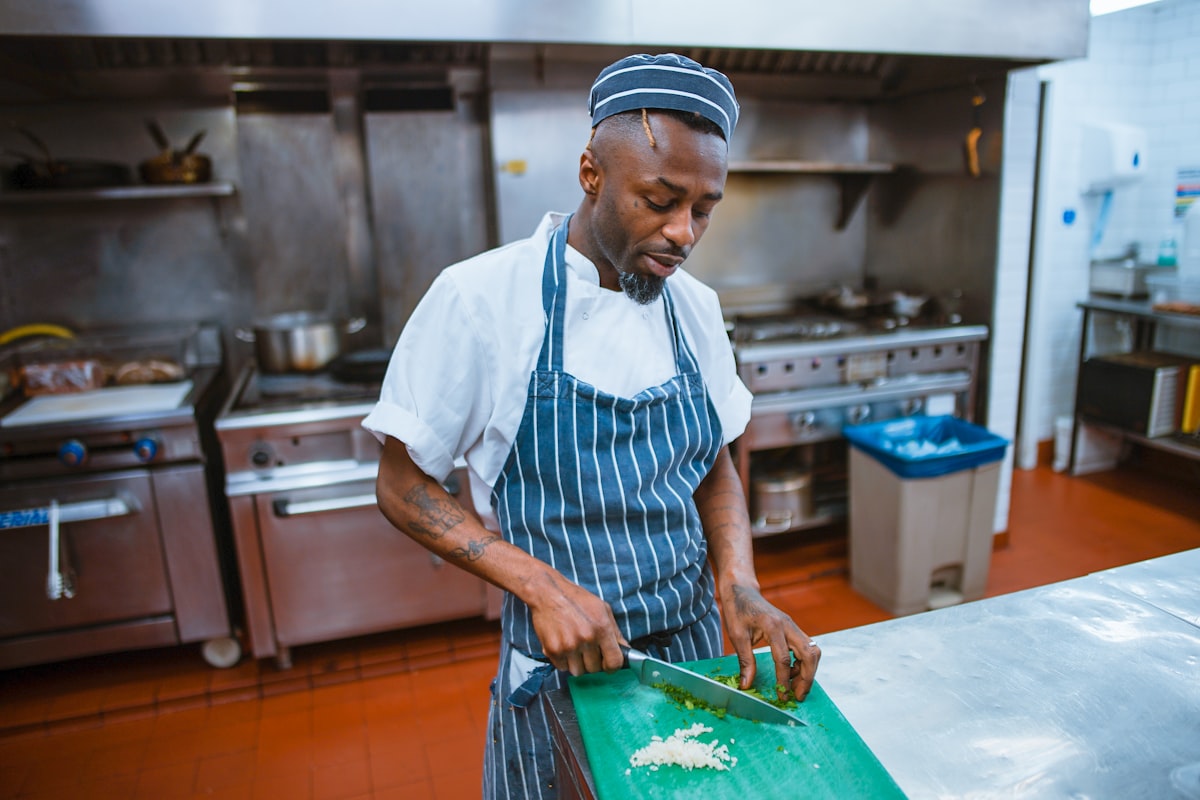
Raw Vegetable Techniques
Precise cutting and quick preparation preserve enzymes while creating appealing textures and presentations.
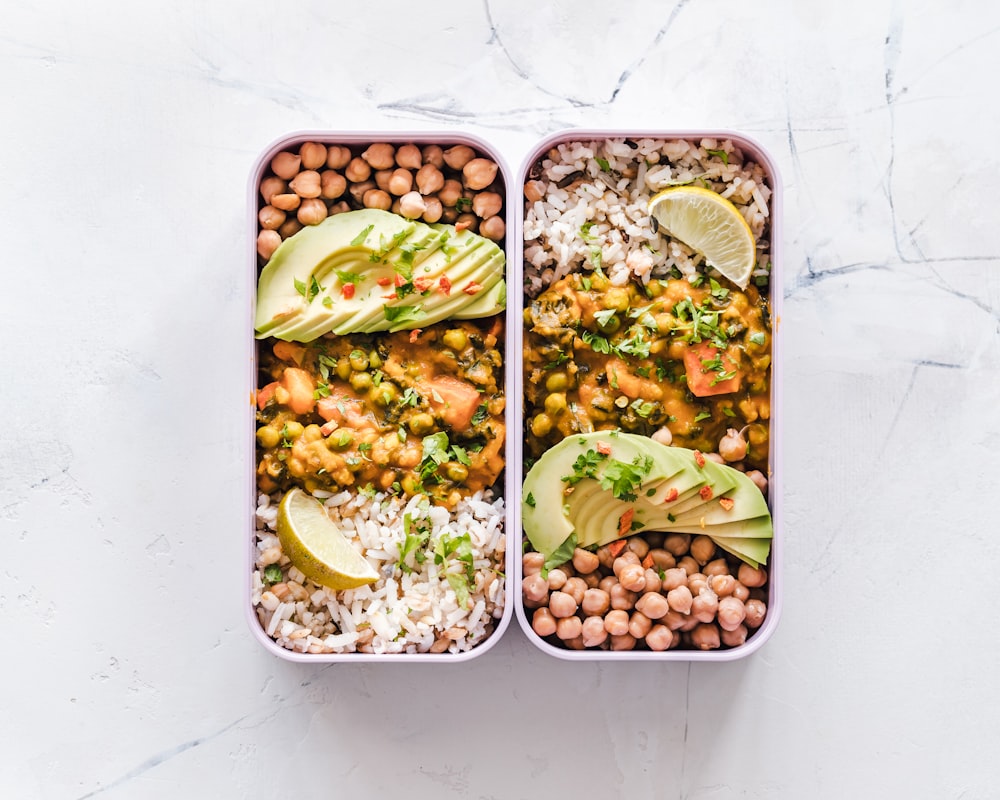
Slow Cooking Benefits
Extended gentle heating develops complex flavors while collagen transforms into beneficial gelatin.
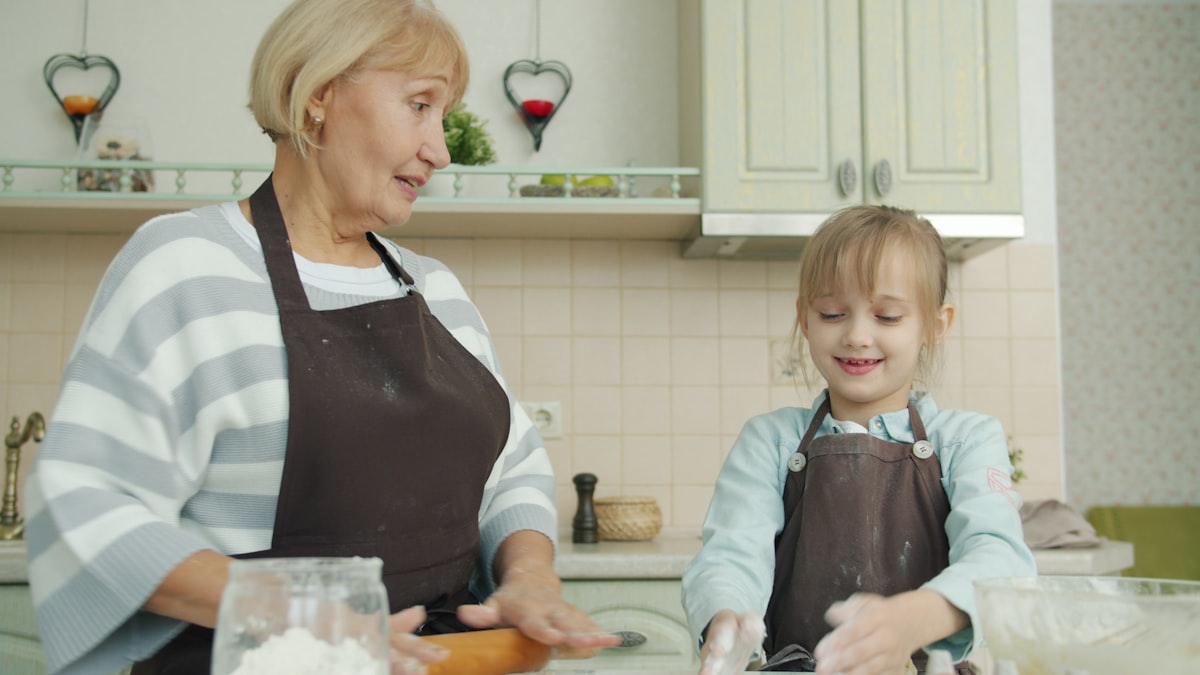
Poaching Excellence
Precise water temperature ensures tender, creamy results without harsh cooking or protein denaturation.
Your Learning Path
Progress through our structured guides from foundational concepts to advanced applications. Each technique builds essential kitchen confidence and nutritional awareness.
Understand Moist Heat Methods
Begin with steaming, poaching, and simmering. These gentle techniques maintain maximum nutrient content and teach fundamental temperature control. Study how water conducts heat differently than air, and explore the science of steam penetration into vegetables and proteins.
Explore GuidesMaster Dry Heat Techniques
Progress to roasting, baking, and sautéing. These methods develop complex flavors through the Maillard reaction while you learn precise temperature management. Discover how to balance browning for flavor with nutrient preservation, and master the art of achieving golden caramelization.
Explore GuidesEmbrace Raw & Fresh Preparation
Develop knife skills and knife safety protocols for raw vegetables, fruits, and sprouted seeds. Learn proper washing, storage, and quick preparation methods that maximize enzyme retention. Explore traditional techniques like fermentation, marinating, and sprouting for enhanced bioavailability.
Explore GuidesSpecialize & Combine Methods
Apply advanced techniques like pressure cooking, slow braising, and professional-level food preparation. Learn how to combine multiple cooking methods in single dishes, adapt techniques for different ingredients, and develop your signature cooking style while maintaining nutritional excellence.
Advanced TechniquesWhy Master These Techniques
Proper cooking methods are foundational to nutritious eating. Understanding different techniques empowers you to make informed decisions about how you prepare food.
Maximize Nutrient Retention
Different cooking methods preserve various nutrients. Steaming maintains water-soluble vitamins, while gentle heat can increase bioavailability of certain minerals. Learn which techniques work best for specific ingredients and nutritional goals.
Develop Superior Flavors
Master technique creates naturally delicious food. Proper roasting temperatures develop caramelization, slow cooking builds umami complexity, and raw preparation preserves fresh brightness. Flavor and nutrition align when techniques are executed well.
Save Time & Energy
Understanding different cooking methods lets you choose efficient approaches. Pressure cooking reduces legume preparation from hours to minutes, slow cooking allows hands-off preparation, and batch cooking with proper techniques simplifies weekly meal planning.
Make Informed Choices
Understanding cooking science empowers confident decision-making in your kitchen. Learn how temperature, time, and moisture affect ingredients, enabling you to adapt recipes, troubleshoot problems, and develop your own healthy cooking intuition.
Frequently Asked Questions
Find answers to common questions about cooking techniques, nutrient preservation, and building kitchen confidence.
Steaming, pressure cooking, and raw preparation generally preserve the most heat-sensitive nutrients like vitamin C and B vitamins. Steaming is particularly effective because vegetables remain above water level, minimizing nutrient loss to cooking liquid. Pressure cooking is efficient because it dramatically reduces cooking time. Raw preparation maximizes enzymes and heat-sensitive compounds entirely, though some nutrients like lycopene become more bioavailable with gentle cooking.
The optimal method depends on the specific ingredient. Green vegetables benefit from steaming, legumes benefit from pressure cooking, raw salads provide unprocessed enzyme content, and roasted tomatoes increase lycopene availability. Variety in techniques ensures comprehensive nutrient intake.
What Our Community Says
"Natural Kitchen Craft transformed how I approach cooking. I went from following recipes mechanically to understanding *why* techniques work. My family notices the difference in flavor and quality immediately."
— Margaret T., Home Cook
"As someone with dietary restrictions, I was struggling to create satisfying meals. These techniques gave me the confidence to adapt recipes and trust my instincts. Now cooking is joyful again."
— David R., Plant-Based Chef
"I expected another cooking course. Instead, I learned a philosophy that changed my relationship with food, sustainability, and time in the kitchen. It's genuinely life-changing."
— Elena M., Sustainable Living Advocate
"Teaching my kids to cook with intention and care has been the best gift. They're developing palates and skills that will serve them forever. Thank you for making this accessible."
— James P., Parent & Educator
Ready to Transform Your Kitchen?
Join thousands of home cooks discovering the joy, sustainability, and mastery that comes from natural kitchen craft. Start your journey today.
Free resources • Expert guidance • Supportive community