Master Healthy Cooking Techniques
Discover the fundamental methods and approaches that transform everyday ingredients into nutritious, delicious meals. Learn proven techniques from Natural Kitchen Craft to elevate your culinary skills.
The information on this site is for educational purposes only and does not constitute medical advice. Always consult a qualified healthcare professional before making health decisions.
Core Cooking Techniques
These fundamental methods form the foundation of healthy, nutrient-preserving cooking. Master each technique to unlock your kitchen's full potential.
Steaming
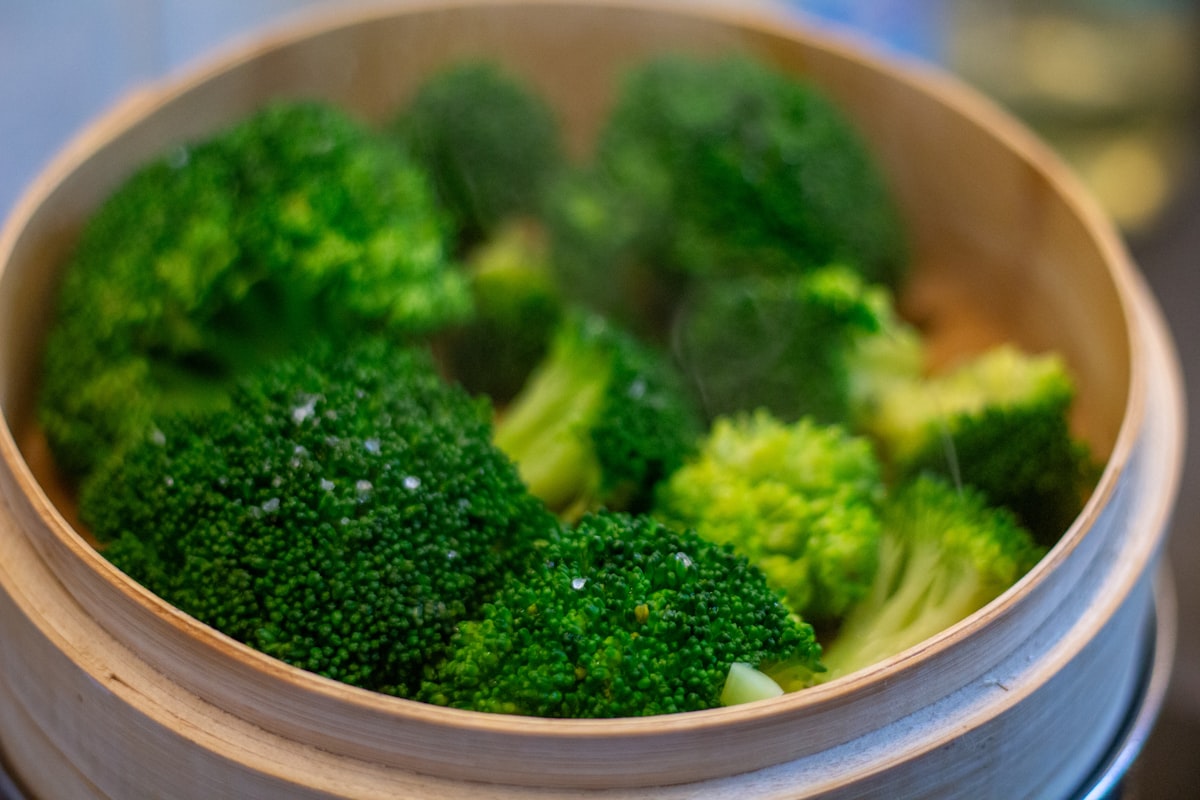
Steaming preserves vitamins and minerals by cooking food gently with moist heat, without submerging in water. This technique is ideal for vegetables, fish, and grains. Water-soluble nutrients remain largely intact, and no added fats are necessary. The method is simple: use a steamer basket, pot with water, and a lid. Steamed foods maintain their natural color, texture, and delicate flavors.
- Retains nutritional value
- No added oils needed
- Quick and efficient
Sautéing
Sautéing cooks food quickly over medium-high heat with minimal oil, creating flavorful dishes while maintaining ingredient integrity. The technique involves heating a pan, adding a small amount of oil, then cooking ingredients until tender. Choose plant-based oils with higher smoke points like olive or avocado oil. This method works beautifully for vegetables, lean proteins, and aromatics. The quick cooking time preserves most nutrients while developing rich, complex flavors through gentle browning.
- Fast and flavorful
- Minimal oil required
- Versatile ingredient support
Baking
Baking uses dry heat in an enclosed oven environment, ideal for vegetables, whole grains, and proteins. This method requires no added fats and allows ingredients to cook evenly through heat circulation. Baking develops natural sweetness in vegetables and creates appealing textures without heavy oils. The technique is forgiving and produces consistent results. From roasted root vegetables to whole grain breads, baking offers numerous healthy options. Temperature control and timing are key to success with this versatile cooking method.
- Hands-off cooking
- Fat-free cooking method
- Batch cooking capability
Boiling
Boiling cooks ingredients in hot water, perfect for grains, legumes, and certain vegetables. While some water-soluble nutrients transfer to the cooking liquid, this method is essential for preparing whole grains and beans. Keep the heat controlled to maintain a gentle boil rather than a rolling boil, which can damage delicate foods. Save the cooking water for soups and broths to capture lost nutrients. Boiling is reliable, requires no added fats, and produces tender, evenly cooked results. Timing varies by ingredient type and size.
- Simple and reliable
- Perfect for grains and legumes
- No added ingredients
Grilling
Grilling cooks food over direct heat, creating flavorful crusts and maintaining nutrient content. This outdoor cooking method works excellently for vegetables, lean proteins, and whole grains. Prepare your grill with light oil to prevent sticking, then cook over medium-high heat. Grilling reduces excess fats naturally as they drip away from food. The high heat creates appealing char marks and complex flavors through the Maillard reaction. Season simply with herbs and spices to enhance natural tastes without heavy sauces.
- Excess fats drain away
- Rich, smoky flavor development
- Minimal oil application
Slow Cooking
Slow cooking uses low, moist heat over extended periods, breaking down tough fibers and developing deep flavors naturally. This method is ideal for legumes, tough cuts of lean protein, and hearty vegetables. The long cooking time allows spices and herbs to infuse thoroughly throughout the dish. Slow cooking requires minimal liquid and no added fats. Nutrients are largely preserved in the cooking liquid, which becomes part of the finished dish. This technique is perfect for meal preparation, batch cooking, and creating wholesome, comforting meals.
- Tenderizes naturally
- Flavor-building time
- Convenient meal prep
Advanced Cooking Methods
Build upon the fundamentals with specialized techniques that enhance flavor, preserve nutrition, and create restaurant-quality results at home.
Blanching and Shocking
Blanching briefly cooks vegetables in boiling water, then immediately transfers them to ice water to stop the cooking process. This technique preserves vibrant color, maintains crisp texture, and activates enzymes. Shocking stops cooking completely, locking in nutrients and texture. Use this method to prepare vegetables for freezing, create vibrant salad components, or partially cook vegetables before final preparation. The technique requires precise timing but produces consistently excellent results across all vegetable types.
- Locks in color and nutrition
- Extends storage life
- Perfect texture control
Braising
Braising combines dry and moist heat, first searing food to develop flavor, then simmering in a small amount of liquid. The technique works beautifully for vegetables, legumes, and lean proteins. The combination of high-heat searing and low-heat simmering creates complex, deeply satisfying flavors. The cooking liquid becomes a natural sauce enriched with released nutrients and aromatics. Braising requires patience but produces tender, flavorful results. Use this method for wholesome one-pot meals featuring complementary vegetables and herbs.
- Complex, layered flavors
- Minimal liquid reduces nutrient loss
- Natural sauce development
Poaching
Poaching gently cooks food in simmering liquid, maintaining delicate textures and flavors while requiring no added fats. The technique works best for fish, eggs, and certain fruits. The cooking liquid absorbs subtle flavors from the food while adding gentle seasoning through aromatics like herbs, onions, and citrus. Poached proteins remain moist and tender. The method is ideal for creating wholesome, light meals that showcase ingredient quality. Save the poaching liquid for soups and broths to maximize nutritional value.
- Ultra-tender results
- Zero added fats
- Gentle, controlled cooking
Infusing
Infusing transfers flavor from herbs, spices, and aromatics into liquid or oil through steeping and time. The technique requires no heat and creates concentrated flavor profiles for use in cooking and finishing. Infused oils, broths, and vinegars add depth to dishes without requiring additional salt or processed ingredients. Cold infusions preserve heat-sensitive nutrients and volatile compounds. Hot infusions develop stronger flavors quickly. Store infusions properly to maintain freshness. Use them to elevate simple dishes and create restaurant-quality results through subtle flavor enhancement.
- No heat required
- Concentrated natural flavors
- Long-lasting flavor profiles
The 5-Step Cooking Transformation
Follow these fundamental steps to consistently create nutritious, delicious meals using healthy cooking techniques.
Plan Your Ingredients
Select fresh, whole ingredients. Consider nutritional value, seasonality, and cooking method compatibility. Quality ingredients require minimal processing.
Prepare Properly
Wash, peel, and chop ingredients appropriately. Proper preparation ensures even cooking and optimal nutrient preservation throughout the process.
Choose Your Method
Select the cooking technique that best suits your ingredients and desired outcomes. Different methods preserve different nutrient profiles and flavors.
Monitor Carefully
Watch cooking times, temperatures, and doneness indicators. Precise monitoring prevents overcooking and ensures optimal nutrition and texture in your meal.
Finish Thoughtfully
Add finishing touches with fresh herbs, citrus, or light seasonings. Thoughtful finishing elevates simple dishes without heavy sauces or excessive sodium.
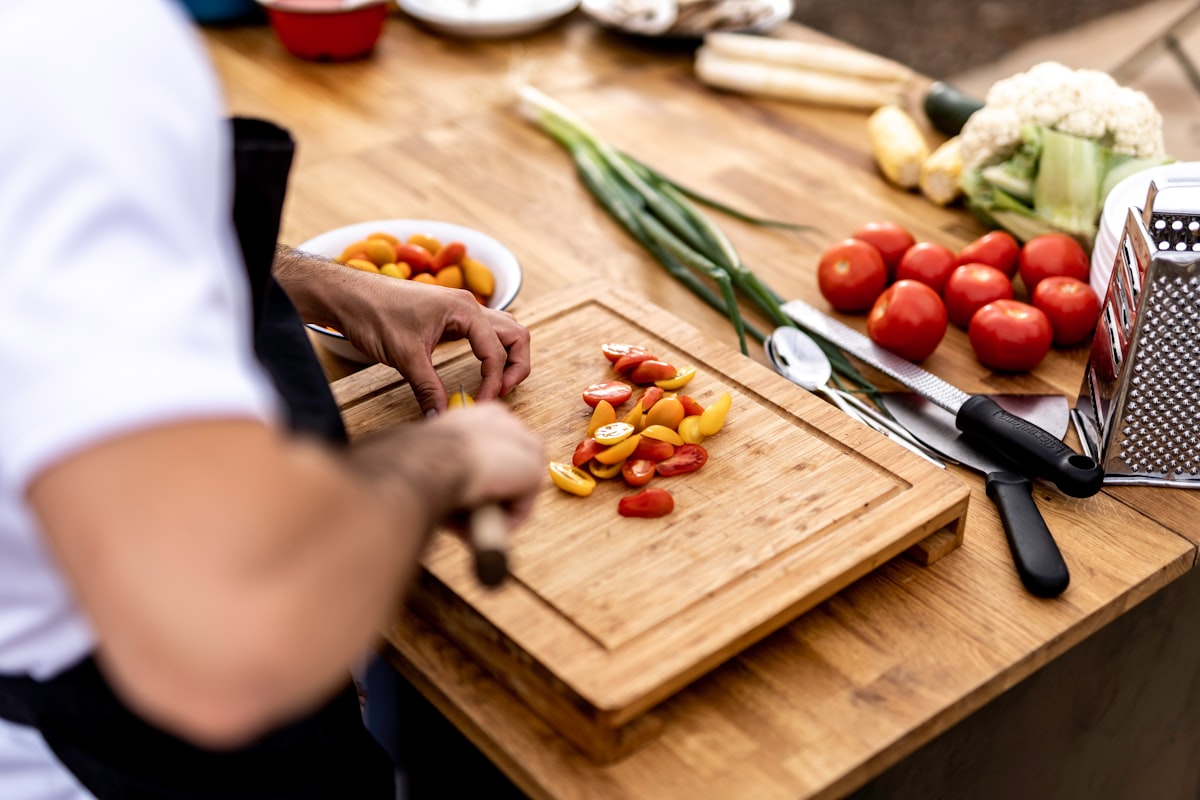
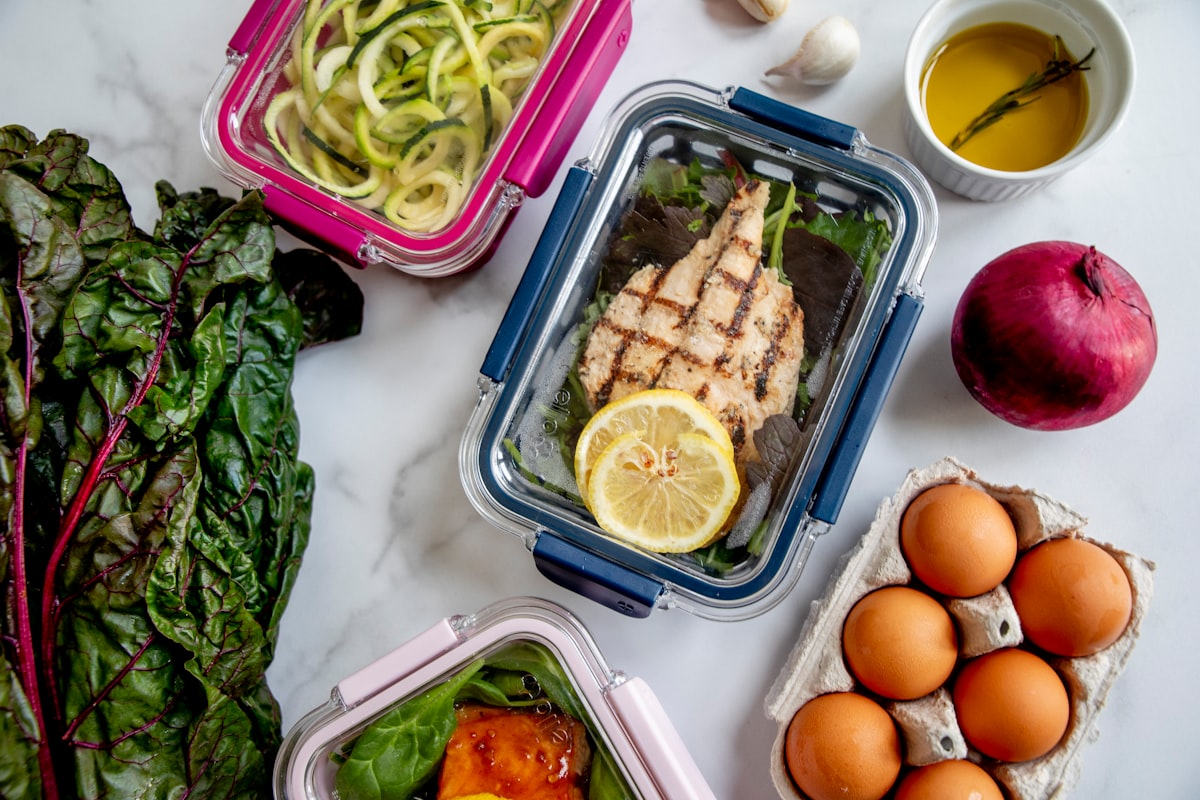
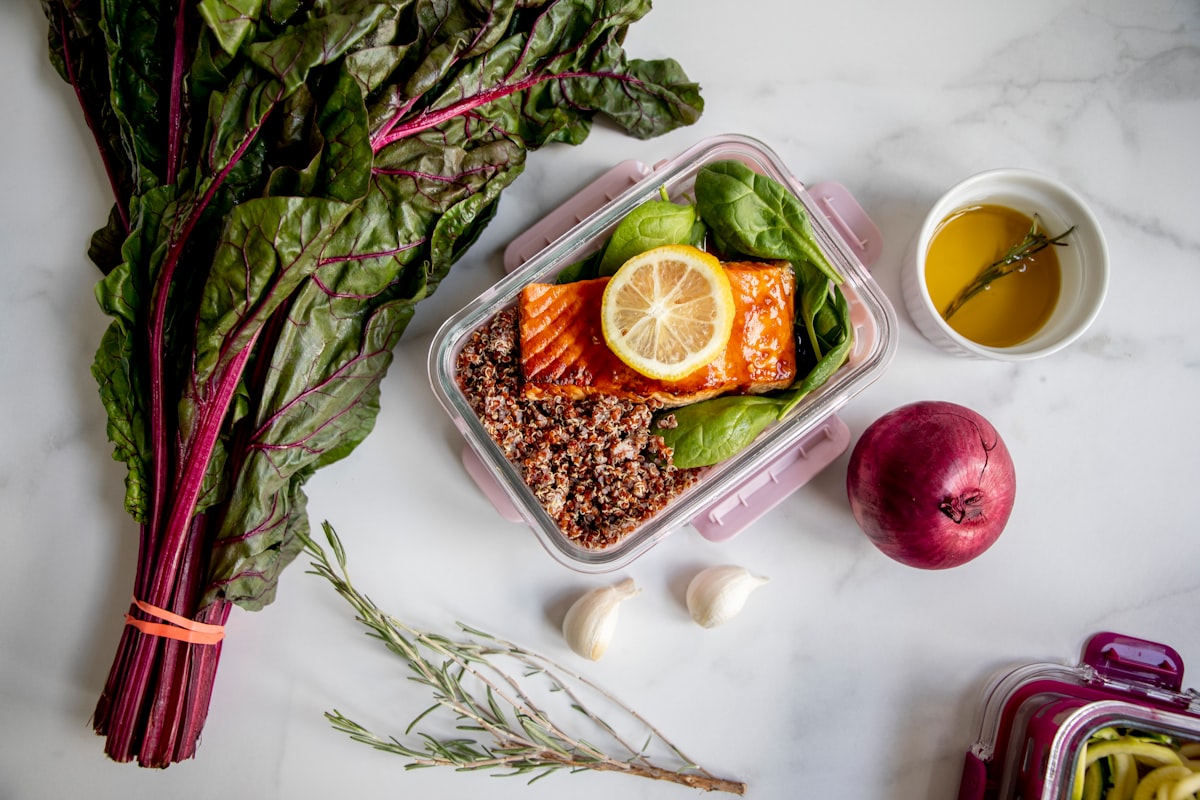
Technique Showcase Gallery
Visual inspiration for applying healthy cooking techniques to everyday meals and seasonal ingredients.

Success Stories from Our Students
Real experiences from people who have transformed their cooking skills and kitchen confidence through Natural Kitchen Craft.
"The steaming technique completely changed how I prepare vegetables. They're now vibrant, crisp, and packed with nutrition. My family actually enjoys their vegetables now, and I love that nothing gets lost in the cooking process. This approach has made healthy eating effortless in our household."
Margaret Fischer
Berlin, Germany
"The quality of these kitchen tools is exceptional. They've completely transformed how I cook at home. Highly recommended!"

Sophie Martin
Paris, France
"Worth every penny! The durability and craftsmanship are outstanding. My family loves cooking with these tools."

James Chen
Toronto, Canada
Ready to Elevate Your Kitchen?
Join thousands of satisfied customers who've discovered the Natural Kitchen Craft difference.